The Maintenance Evolution
The maintenance industry in South Africa is evolving through four distinct phases:
- Reactive, Fix it when it breaks (most SA companies are here)
- Preventive, Service on a schedule regardless of condition
- Condition-based, Monitor and service based on actual wear
- Predictive, Use data and AI to predict failures before they happen
Most South African field service companies are stuck in phase 1 or 2. The opportunity lies in leapfrogging to phases 3 and 4.
The Cost of Reactive Maintenance
Reactive maintenance (break-fix) is the most expensive approach:
- Emergency callout premiums, 50-100% more expensive than scheduled work
- Downtime costs, Production losses while waiting for repairs
- Cascade failures, One component failure damages others
- Customer dissatisfaction, Unplanned outages erode trust
- Safety risks, Failed equipment can create dangerous conditions
Studies show that predictive maintenance reduces maintenance costs by 25-30%, eliminates 70-75% of breakdowns, and reduces downtime by 35-45%.
How AI Powers Predictive Maintenance
Data Collection
AI-powered maintenance starts with data from:
- IoT sensors, Temperature, vibration, pressure, humidity, power consumption
- Equipment logs, Service history, fault codes, runtime hours
- Environmental data, Weather, load shedding schedules, seasonal patterns
- Technician observations, Digitally captured notes and photos from inspections
Pattern Recognition
AI algorithms analyse this data to identify:
- Degradation patterns, Gradual changes that indicate wear
- Anomaly detection, Sudden deviations from normal operating parameters
- Failure correlations, Combinations of factors that predict specific failures
- Seasonal trends, How weather and usage patterns affect equipment life
Predictive Alerts
When AI identifies a potential issue:
- Alert generated with predicted failure timeframe
- Work order automatically created in the FSM system
- Required parts identified and procurement initiated
- Technician scheduled during the optimal maintenance window
- Customer notified proactively, before they even know there's a problem
IoT in South African Context
Challenges
IoT adoption in South Africa faces specific challenges:
- Connectivity, Many industrial sites have limited cellular coverage
- Power supply, Load shedding affects sensor connectivity
- Cost, Sensor hardware and connectivity fees add up
- Skills gap, Limited local expertise in IoT deployment
Solutions
- LoRaWAN networks, Low-power, wide-area networks designed for IoT in challenging environments
- Battery-backed sensors, Operate through load shedding
- Edge computing, Process data locally, sync when connected
- Cloud-based analytics, Accessible AI without on-premise infrastructure
Industry Applications in SA
HVAC
- Monitor compressor health and refrigerant levels
- Predict filter clogging based on usage and air quality
- Optimise energy consumption based on occupancy patterns
- Schedule preventive maintenance during low-demand periods
Electrical Infrastructure
- Monitor transformer loading and temperature
- Predict cable degradation in ageing infrastructure
- Track power quality metrics for early fault detection
- Manage backup power systems (generators, inverters, batteries)
Water and Plumbing
- Detect leaks through pressure monitoring
- Predict pump failures based on vibration analysis
- Monitor water quality in real-time
- Optimise irrigation scheduling based on soil moisture data
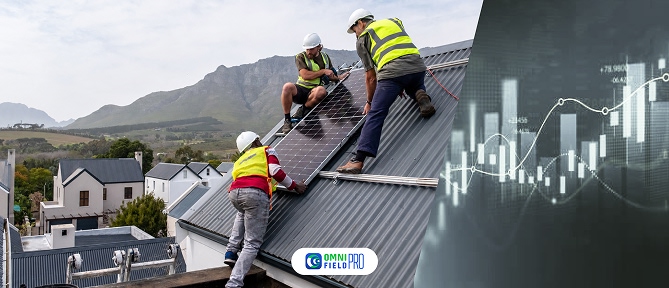
Solar Energy
- Monitor panel degradation and cleaning requirements
- Predict inverter failures
- Optimise energy production through tilt angle adjustments
- Track battery health in storage systems
Getting Started with AI-Powered Maintenance
You don't need to invest millions to start benefiting from AI:
Phase 1: Digitise Your Operations (Today)
Start by moving from paper to digital. Use FSM software to:
- Capture structured maintenance data
- Build equipment service histories
- Track failure patterns digitally
- Generate maintenance analytics
Phase 2: Implement Condition Monitoring (3-6 Months)
Add basic monitoring to your highest-value or most critical assets:
- Temperature sensors on critical equipment
- Runtime hour tracking
- Basic vibration monitoring
- Power consumption logging
Phase 3: Enable AI Analytics (6-12 Months)
Once you have sufficient data:
- AI algorithms identify patterns in your historical data
- Predictive models calibrate to your specific equipment and conditions
- Automated alerts and work orders reduce reactive callouts
- Continuous learning improves prediction accuracy over time
The Omni Field AI Advantage
Omni Field is building AI capabilities directly into the FSM platform:
- AI-powered scheduling, Optimise technician routes and assignments
- Smart resource allocation, Match the right technician to the right job
- Predictive business insights, Identify growth opportunities and risks
- Automated reporting, Generate insights without manual data crunching
The future of field service in South Africa is proactive, predictive, and powered by AI. The question isn't whether to adopt these technologies, it's how quickly you can start.